The 3 Types of Chemical Peels, Explained
Stronger peel, deeper results.
Once considered aggressive treatments, chemical peels have evolved into customizable skincare solutions. From mild “lunch break” peels to deep-resurfacing treatments, there’s a peel for every skin concern such as acne, hyperpigmentation, or wrinkles.
These treatments use chemical exfoliants to accelerate cell turnover, revealing fresher, smoother skin. But with so many buzzwords like AHAs, BHAs, and TCA, choosing the right one can be overwhelming.
Here’s everything you need to know about different types of chemical peels and what they can do for your skin.
What Is a Chemical Peel?
A chemical peel is a professional skin treatment where a chemical solution is applied to exfoliate the skin and stimulate collagen production. This process removes the top layer(s) of skin, revealing a smoother, healthier complexion underneath (1).
Chemical peels are widely used to treat concerns such as acne and acne scars, hyperpigmentation and dark spots, wrinkles and fine lines, sun damage and dullness.
How Does It Work?
A chemical peel removes the top layer(s) of skin using acid-based solutions. This controlled exfoliation triggers the skin’s natural healing response, boosting collagen production and improving texture, tone, and clarity.
Chemical peels are typically classified into three types based on how deeply they penetrate the skin. The depth of a peel determines its intensity, results, and recovery time.
The Different Types Of Chemical Peels
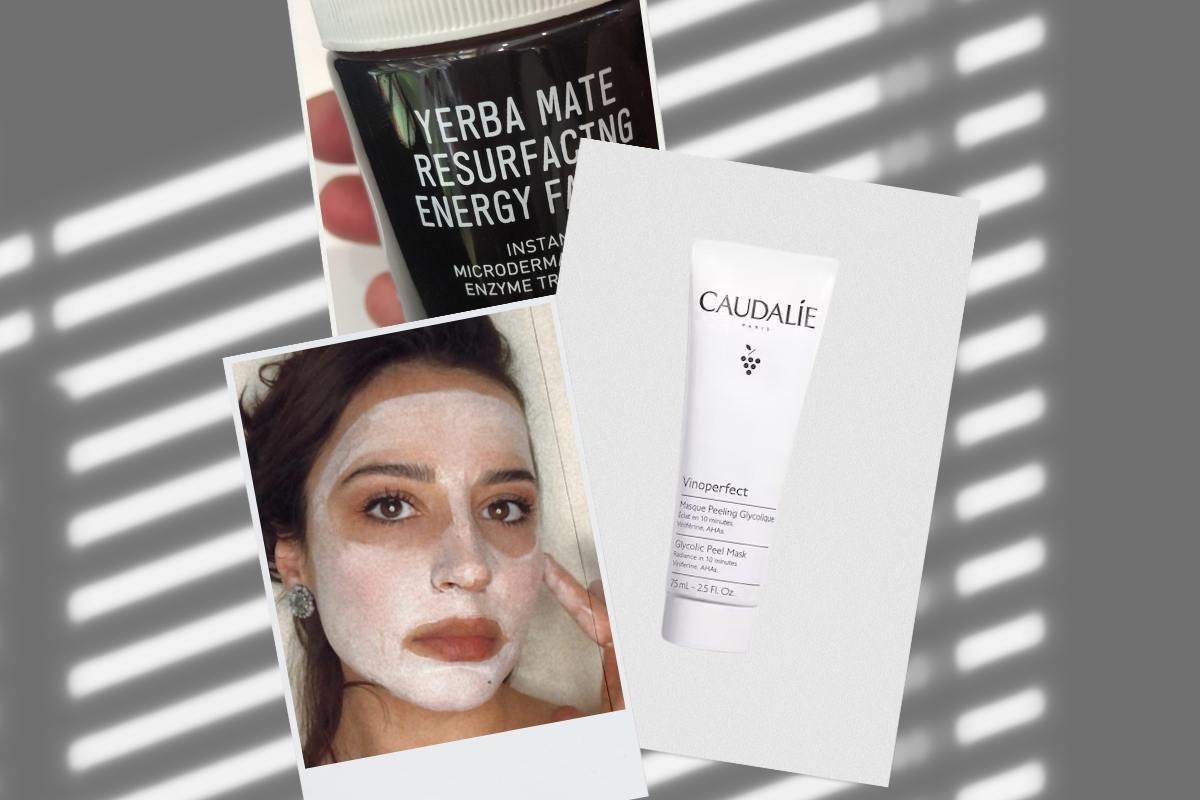
This is where it gets confusing for people. Because, unlike the peels we do at home, in-office chemical peels are classified differently. At-home peels can differ depending on the acid used such as glycolic acid or salicylic acid.
But that’s not the way professional chemical peels work. Chemical peels are classified into three categories based on the depth of peeling, as in how many skin layers will be affected.
Basically, there are 3 different types of chemical peels: light peel, medium peel, and deep peel (2). The deeper the peel, the deeper the penetration of the skin. The price and downtime increase accordingly as you move from light to deep peels.
Additionally, the depth of the peel is usually what determines the acid that’s going to be used. As an example, some chemical acids are used in light peels but don’t work as well or are avoided in a medium-depth peel.
1. Light Peels
These are the most gentle chemical peels and are often referred to as “lunch break peels” because they require little to no downtime. They work by exfoliating the outermost layer of skin, improving texture, brightness, and mild pigmentation (3).
Common exfoliants used in these peels are glycolic acid, which is great for dullness, lactic acid, which is super hydrating and great for dry skin, and salicylic acid, which is great for oily skin to unclog pores. Light peels are best for first-timer peel users, for mild acne, dullness, and uneven skin tone.
2. Medium Peels
Medium peels penetrate deeper into the skin, targeting both the outer layer (epidermis) and the upper part of the middle layer (dermis). Medium peels are effective for more noticeable sun damage, wrinkles, and moderate acne scars.
Common exfoliants used in medium peels are trichloroacetic Acid (TCA), which is a versatile acid used at various strengths to address hyperpigmentation, deeper wrinkles, and acne scars (4).
Also, higher concentrations of glycolic or salicylic acids can be used for more stubborn skin concerns. A medium peel is ideal for treating moderance acne scars, sun damage, and deeper wrinkles. The recovery takes longer with these peels.
3. Deep Peels
Deep peels provide dramatic, long-lasting results but come with intense peeling, redness, and discomfort (5). They are performed under medical supervision and may require sedation.
While deep peels deliver transformative results, they are not as common today due to alternative treatments like laser resurfacing and microneedling.
The most common deep peel used is the phenol peel. It’s the strongest peel and is often used for advanced aging signs like loose skin and deep-set wrinkles. The recovery requires several months and you can do a phenol peel only once in a lifetime! It’s that strong!
What Is It Like To Get a Chemical Peel?
This is to give you a very general idea about what the treatment looks like so that you know if it’s for you or not. A professional peel typically follows these steps:
- Cleansing: The skin is prepped and cleansed.
- Application: The chemical solution is applied evenly.
- Wait Time: The solution stays on for a few minutes.
- Neutralization: The peel is deactivated to stop further exfoliation.
- Post-Treatment Care: Your skin will be sensitive, requiring hydration and sun protection.
The aftercare and recovery will depend on the type of peel you’re getting, but this is roughly it.
At-Home vs. Professional Peels
At-home chemical peels are milder and designed for maintenance, using lower concentrations of acids. For example, there are glycolic acid serums lactic acid or salicylic acid serums, peel pads, and exfoliating toners -all of these offer some level of peel.
But they take several months to give noticeable results. That’s why they don’t require any recovery or aftercare. Professional treatments, on the other hand, offer stronger formulations for deeper exfoliation and more noticeable results.
If you’re considering a professional peel, always consult a dermatologist to ensure it’s the right choice for your skin type and concerns.
Final Thoughts
Chemical peels are a powerful way to achieve smoother, brighter, and healthier skin. Whether you’re looking for a gentle refresh or a more dramatic transformation, there’s a peel for every skin concern. But they must be done correctly to avoid complications. Always go to a licensed professional and follow post-peel care instructions for the best results.
If this all sounds too much, no worries. There are gentler ways to tackle skin issues. Here are different types of facials and which one to choose depending on your skin concerns.
References:
- Soleymani, T., Lanoue, J., & Rahman, Z. (2018). A Practical Approach to Chemical Peels: A Review of Fundamentals and Step-by-step Algorithmic Protocol for Treatment. The Journal of clinical and aesthetic dermatology, 11(8), 21–28. ↩︎
- O’Connor, A.A., Lowe, P.M., Shumack, S. and Lim, A.C. (2018), Chemical peels: A review of current practice. Australas J Dermatol, 59: 171-181. https://doi.org/10.1111/ajd.12715
↩︎ - Baran, R., & Maibach, H., I. (2017). Chemical peels [E-book]. In Textbook of Cosmetic Dermatology (5th ed., pp. 498–509). CRC Press. https://doi.org/10.1201/9781315160504 ↩︎
- Draelos, Z. D. (2015). Chapter 48: Medium depth chemical peels [E-book]. In Cosmetic Dermatology: Products and Procedures (2nd ed., pp. 384–392). Wiley-Blackwell. https://doi.org/10.1002/9781118655566 ↩︎
- Wambier, C. G., Lee, K. C., Soon, S. L., Sterling, J. B., Rullan, P. P., Landau, M., Brody, H. J., & International Peeling Society (2019). Advanced chemical peels: Phenol-croton oil peel. Journal of the American Academy of Dermatology, 81(2), 327–336. https://doi.org/10.1016/j.jaad.2018.11.060
↩︎
Read Next: Preventative Botox in Your 20s