How to Wear Makeup Without Clogging Your Pores
Clean formulas, clearer skin.
While I have no control over the number of stress pimples I get, I’d like to believe that I’m not doing anything to make things worse!
It takes a consistent skincare routine, quality, and sometimes expensive skincare products, and lots and lots of patience to manage large pores and achieve somewhat clear skin.
And I’m not doing all that just to have my makeup clog them back again! If you’re trying to keep your skin blemish-free and you think your makeup is trying you, here is a step-by-step guide on how to stop your makeup from clogging your pores.
How to Keep Makeup From Clogging Your Pores
1. Use Non-Comedogenic Makeup
For some, this is obvious. For others, not so much. But we need to get this step out of the way so that we’re on the same page. Here’s the gist.
Makeup can be comedogenic, meaning that ingredients in a foundation, blush, or concealer can cause comedones, also known as blackheads and whiteheads.
If your makeup is comedogenic, it’s no surprise your pores are clogged and your skin is congested! To avoid that, make sure your makeup products are labeled non-comedogenic and non-acnegenic.
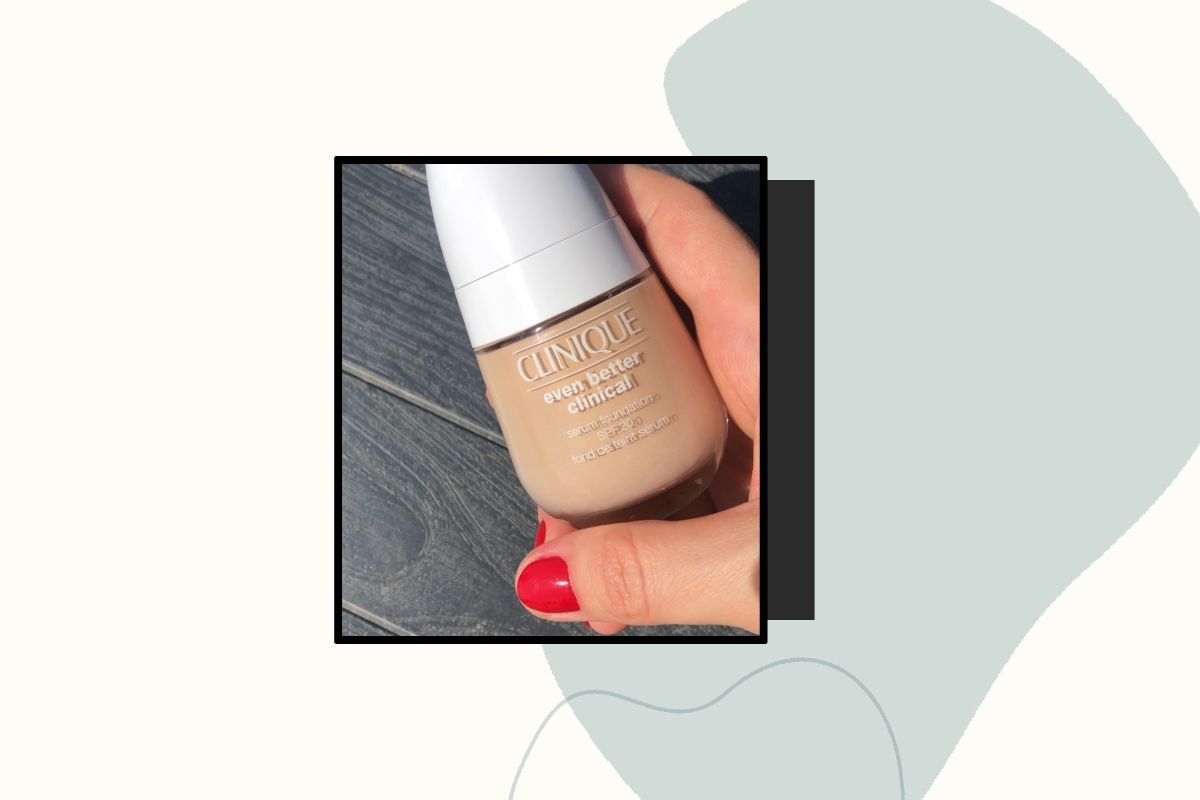
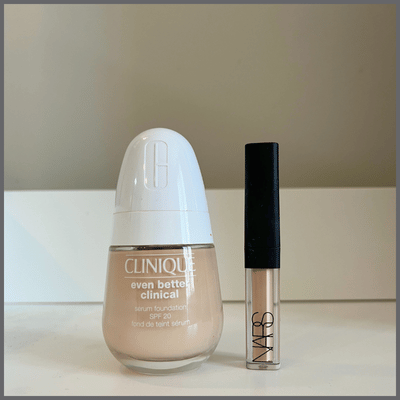
If your skin is generally oily and acne-prone, this also means looking for products that are clearly labeled oil-free or water-based, especially when it comes to complexion products like concealer or tinted moisturizer.
2. Always Remove Makeup, Always
Don’t confuse facial cleansing with makeup removal. If you’re a regular makeup wearer and you frequently use base products, make sure you have a separate product to remove all that makeup.
That means either using a makeup remover like micellar water or using an oil-based cleanser like a makeup-removing balm to melt away makeup.
This step, which is known as double cleansing, gets all that stubborn cosmetic stuff off your face. After this, use your regular cleanser to wash everything away.
Double cleansing with any type of makeup remover, followed by a regular face wash, is the absolute best way to completely remove any trace of makeup, dirt, and grime from the skin and prevent them from clogging pores. And remember, never go to bed with your makeup on.
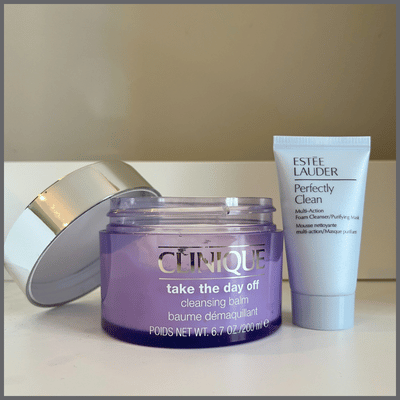
This is an effective example 2-step double cleansing routine: a cleansing balm and a foaming face wash. Cleansing balm is safe, even if you have oily skin, because we wash it away with a second cleanser. To make sure we get all the oils, opting for a deep cleansing foaming wash is a safe bet for acne-prone skin.
3. Clean Your Applicators
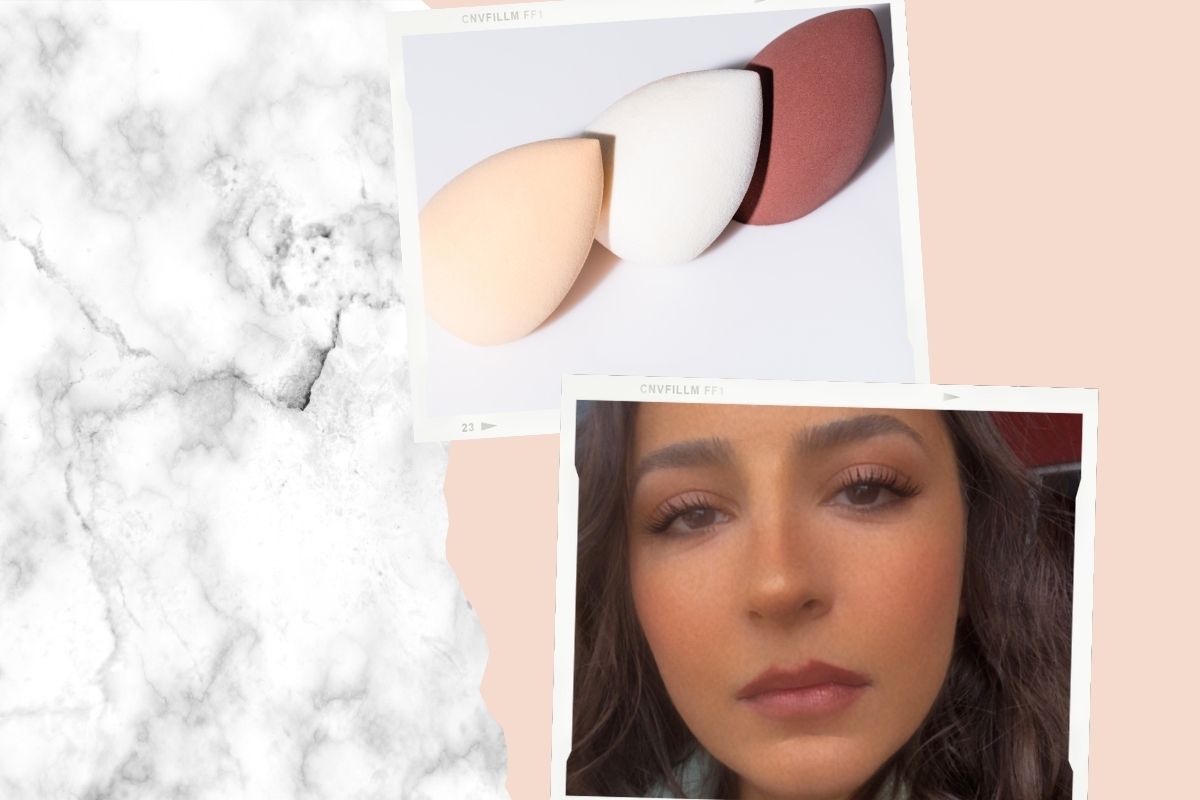
We use makeup brushes and sponges to apply products. And they collect all that residual makeup, dirt, and sweat from our skin, and they’re basically the breeding ground for bacteria.
Even if you’re using non-comedogenic makeup, if your applicators are not clean, you’re putting that dirt back into your face every time you apply makeup and blend it. You want to regularly wash your makeup brushes and sponges to keep them hygienic.
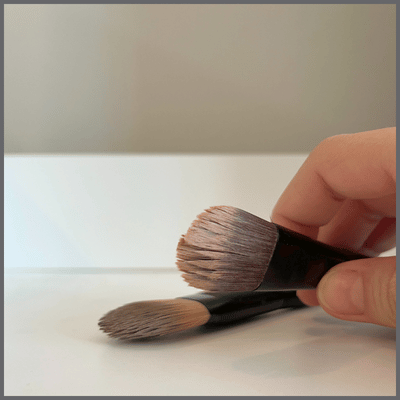
These are my foundation and concealer brushes that need urgent cleansing! One time, I applied a pore-clogging concealer on my skin (without knowing) using my brush and forgot to clean it! And I kept getting breakouts until I completely cleaned up my brush.
4. Use Primer
Makeup primers are used to create a smoother skin surface so that makeup looks better. Primers also help extend makeup wear and give you overall better-looking results.
They work by creating a barrier between your skin and makeup. This might translate to your skin being protected from heavy foundations and pore-clogging base makeup.
On the other hand, this isn’t a guaranteed method. It’s because a primer itself can be comedogenic too. Again, try a primer suitable for your skin type, or look for a water-based primer, and make sure it’s not comedogenic.
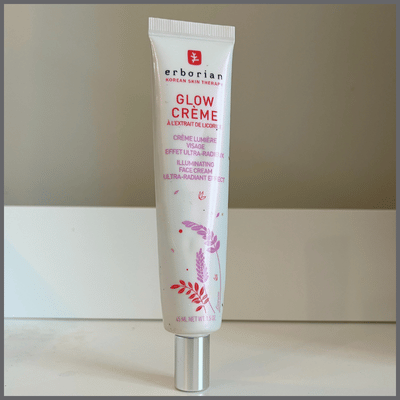
This is a lightly silicone-based primer that can be used all over the face because it doubles as an illuminating face cream. It contains the label non-acnegenic!
5. Avoid Heavy Makeup
Heavy makeup can mean wearing a lot of makeup, such as several layers of foundation, concealer, and powder.
It can also mean wearing products that generally have an oily or balm-like consistency or are formulated with too much silicone.
Examples include cream foundations, which feel very thick in texture. As you can imagine, this type of makeup, even from the looks of it, can feel heavy, cakey, settle into your pores, and be very difficult to remove.
So go for liquid foundations, lightweight concealers, and water-based products that both look and feel light.
And don’t leave your makeup on your face any longer than you need to. Remove as soon as you can. There’s no need to increase your skin’s exposure time to these makeup products.
6. Keep Your Pores Clear
In general, if you have oily skin, are prone to acne, and have a lot of blackheads, you need to solve the root cause. Prioritize your skincare. And create a routine that targets congested skin and clogged pores.
This usually involves cleansing regularly, exfoliating a few times a week, and moisturizing your skin with an oil-free formula.
Once you get a handle on your pores and clear them up, it’s going to be a lot easier to keep them that way and prevent your makeup from making things worse.
If you need help getting things started, here’s a step-by-step guide on how to minimize pores and keep them clear.
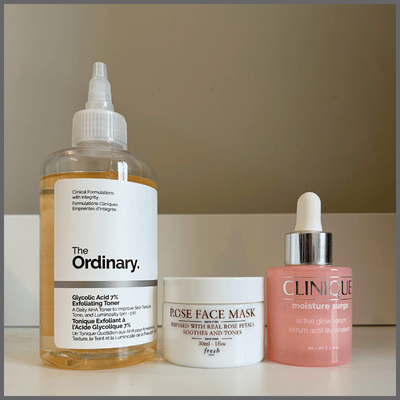
In my honest opinion, exfoliation is the step that has the most effect in your routine, especially when it comes to keeping pores clear. That’s why I use a daily exfoliating toner. Use one suitable for your skin type and use it regularly.
7. Check Expiration Dates
This is so overlooked, especially if you’re a makeup hoarder. Makeup expires. Most products have a label on them mentioning how long you’re supposed to use them after opening.
And we need to keep that in mind! Personally, I take this as a light suggestion when it comes to powder blush or bronzer. But for liquid products that settle on the skin and absorb a little, I pay attention.
I’ve been extra careful ever since I experienced horrible breakouts from using expired makeup. It was one of the most frustrating blemish flare-ups I’ve ever had.
And it only resolved after I realized I had been using expired makeup. Sadly, I still have marks and scars from that! So don’t buy complexion products in bulk! Try to use your makeup before it expires and know when to toss it away.
Hopefully, you now have a better idea of how to keep wearing makeup without clogging your pores and how to avoid the most common mistakes that lead to congestion.
Remember: clear skin and makeup can coexist. All it takes is the right habits, non-comedogenic products, and a solid cleansing routine.
Stick with it, treat your skin with care, and don’t be afraid to adjust your routine as your skin evolves.