How to Apply Makeup on Dry Skin for a Seamless, Flake-Free Finish
Hydrate first, blend better.
If you have a dry skin type or your skin is currently dry for whatever reason, makeup application becomes unpleasant.
I don’t normally have dry skin myself, but lately, I’ve been dealing with stubborn dryness and flakiness around my pimples, thanks to the anti-acne products I’ve been using.
And when your skin starts to peel around breakouts, makeup tends to make things worse by highlighting every dry patch. Foundation clings, concealer cracks!
So I’ve learned firsthand how important it is to adjust your makeup routine when your skin is acting up. If your skin feels bumpy, streaky, and uneven, you need to make a few tweaks.
Here’s how to apply makeup on dry skin to achieve a smooth, seamless look.
Applying Makeup on Dry Skin
Step 1: Moisturize & Then Moisturize Some More
There’s no secret here. Moisturizing is the most important step in skincare and makeup. So, start with clean skin and apply a nice, replenishing moisturizer suitable for your skin type.
And if I may, don’t even waste your time with certain types of moisturizers. Silicone-based moisturizers, matte finish moisturizers, gel-based moisturizers, or “invisible” moisturizers are not enough.
Though they come in handy when used right, they might not work well enough to completely soften the skin and fill up moisture reserves, so to speak, on dry, flaky skin.
You need the real thing: the glide. You need a good old moisturizer with a satisfyingly creamy texture.
A good skin-friendly option I can always swear by is Lancome Hydra Zen Liquid Moisturizer. It’s creamy enough to bring dry skin back to life, and still, it’s light and absorbs easily.
Step 2: Try a Hydrating Makeup Primer
Primers come in all forms. Water-based, silicone-based, blurring, smoothing, brightening, and, of course, hydrating. A hydrating primer serves two purposes: more hydration for dry skin and long-lasting makeup.
It usually comes in cream form, contains a good amount of hydrating ingredients like hyaluronic acid, and ensures your makeup stays put all day. But here’s the twist.
You might overdo these steps and end up with a drenched face where your skincare pills or your foundation won’t even stick to your face, or your makeup smudges all over the place all day. That’s why primer is optional.
And honestly, as long as your skincare is good and the rest of your makeup is on point, you don’t need a primer. For better hydration, consider adding a super-light face oil as the last step of your skincare routine.
Something like Kiehl’s Midnight Recovery Concentrate would be perfect! Just pour two drops of it into the palm of your hand and press it into your skin. It will give you a glorious glide and a beautiful glow.
Step 3: Use a Damp Beautyblender
The importance of makeup application tools is all about preventing your skincare and makeup from moving too much, avoiding waste, and achieving a smooth application.
For example, the wrong foundation brush can soak up moisture from your skin while causing a streaky foundation application.
A more skin-friendly option that is very likely to work for everyone is to apply products with a damp makeup sponge.
A damp sponge, though sometimes it can soak up makeup, doesn’t leave dry skin drier. So run your sponge under the sink and wet it completely. Wrap a clean paper towel around it, and squeeze it to soak up excess water.
That dampness is perfect for applying both foundation and concealer. Do it in dabbing motions. A quick tip: Mist your sponge with a hydrating face mist during application to keep it fresh and moist.
Step 4: Apply Liquid Foundation
When it comes to foundation for dry skin, keep these in mind: type of foundation, coverage, and finish. Here’s more.
There are different types of foundations, such as powder, liquid, and cream, and some are more dry-skin-friendly.
You can try cream foundations, which feel thick and moisturizing, but they can feel heavy, and there aren’t many great options on the market. So your options will be limited.
Liquid foundation, on the other hand, has a lighter consistency, which makes it easier to blend on dry, flaky skin. So stick with liquid foundations for a more comfortable look and easier makeup application.
You can go for whatever coverage you want. But I’ve seen that medium coverage foundations work better for dry skin types and general skin dryness. It’s because all that moisture-boosting skincare underneath is not obscured by a thick layer of foundation.
And lastly, that dewy makeup look and dry skin is like a match made in heaven. So instead of a matte finish foundation, try a dewy finish foundation to maintain the natural radiance of your skin. If you have a matte foundation at hand, check this out: how to make matte foundation dewy.
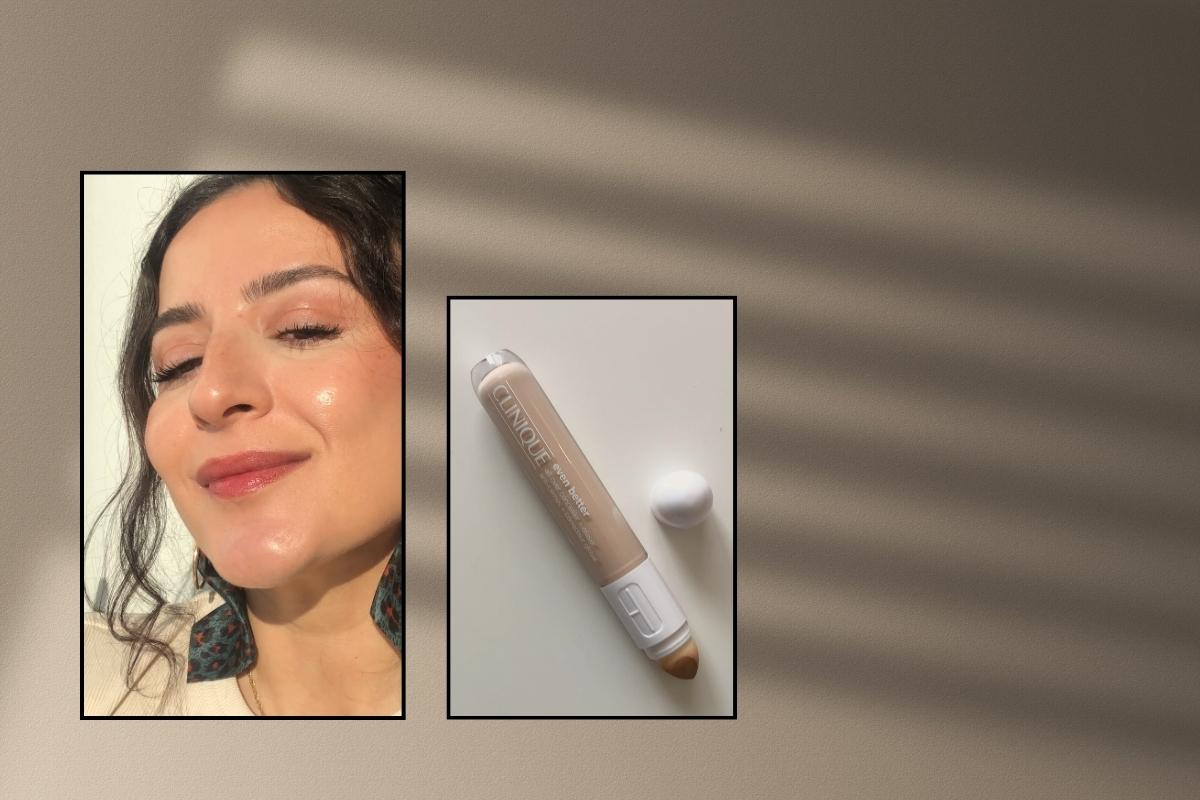
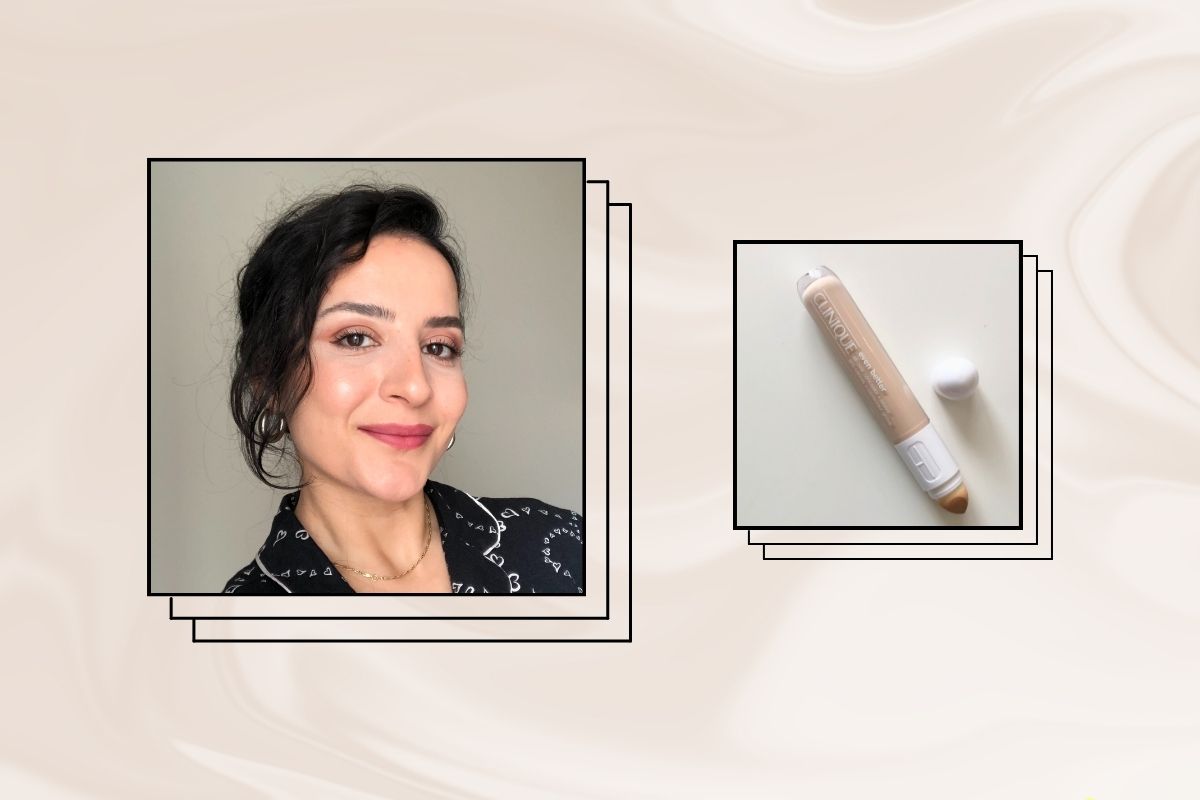
Clinique Even Better Makeup SPF 15 checks all three boxes for me: type, coverage, and finish. It’s got light, skin-friendly coverage with a skin-hugging consistency, and doesn’t look harsh on dry skin.
Step 5: Apply Hydrating Concealer
Similar to foundation, concealer comes in different coverages, textures, and finishes as well. And we want the same hydrated, smooth, and subtly glowy feel around the eyes.
So instead of a heavily matte finish concealer that usually looks dry under the eyes, go for a natural finish or a radiant finish concealer to achieve hydrated, plump under-eyes.
An affordable option that will never let you down is the Maybelline Instant Age Rewind Concealer. It doesn’t emphasize under-eye flakiness and provides amazing moisture as well as coverage.
Step 6: Go for Cream and Liquid Makeup Products
Cream and liquid makeup products include bronzers, blushes, and highlighters. Unlike their powder counterparts, these act like skincare products. They can be applied and blended with fingers; they look more natural and give you seamless makeup.
Both cream and liquid products will work amazingly well on dry skin. But know that cream-based products like cream bronzers or blushes can move around and smudge, especially in very hot weather.
Liquid products are lightweight and easy to apply and layer. They last longer on the skin and they don’t move around as much because they’re more resistant to fading and smudging.
A quick tip: Apply cream/liquid blush with your fingers. The warmth of your hand helps it blend better than any tool.
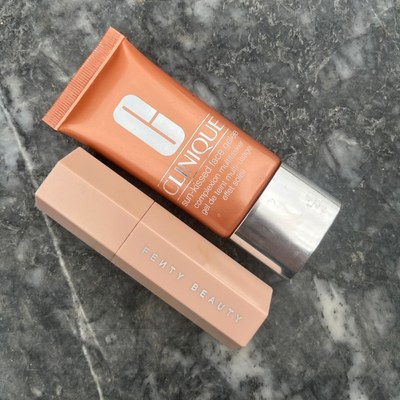
If you’re more into contouring, I can recommend Fenty Match Stix. It’s thick at first, so melt it down a bit by applying it with a brush instead of swiping it directly on skin. Clinique Face Gelee is a liquid bronzer and an absolute gem for warming dry skin with zero possibility of clinging to dry patches!
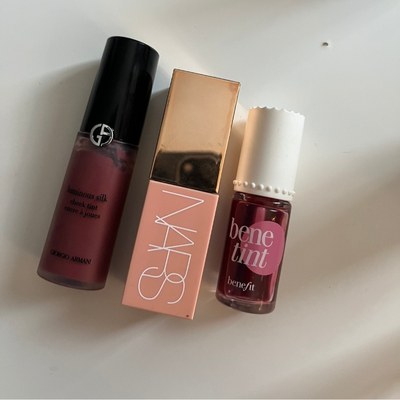
For a blush that will glide on dry skin, I can fully recommend Nars Afterglow Liquid Blush for a dewy finish and Armani Cheek Tint for a matte finish. Try blush layering, and apply a tiny dot of Benetint Lip Tint underneath for smudge-proof, rosy cheeks all day.
Step 7: Keep Lips Hydrated
It doesn’t matter if you have dry lips or not. Moisturized lips look plump and smooth and more pigmented, which gives the illusion of an overall hydrated face.
So make sure to take advantage of this step. Consider applying a tinted lip balm or a slightly tinted lip gloss to give your overall makeup a juicy, wet look.
If you can, use a soft toothbrush to gently exfoliate your lips with a bit of balm before applying colored lip products.
Step 8: Set Your Makeup
Setting spray is optional. But it can help keep your makeup from smudging, especially if you’re not wearing a primer.
So you don’t have to worry about checking your foundation every 10 minutes and dealing with a flaky foundation.
The key is to use a natural or glowy finish makeup setting spray. This won’t soak up much-needed moisture from your skin.
Sephora Collection All Day Makeup Setting Spray is perfect for this. It doesn’t change your finished makeup look or mattify your skin. It simply sets your makeup in place.
Additionally, you can include a hydrating face mist in your routine to refresh your makeup in place and rehydrate your skin throughout the day.
Step 9: Try to Avoid Powder
In general, whether it’s a setting powder, a powder foundation, or a bronzer, you want to be mindful of the amount of powder you use on dry skin. Either avoid it if you can, or use small amounts.
It’s because powder can reveal underlying skin dryness simply by clinging to dry, patchy areas on the face. In the end, you might experience something like streaky powder bronzer on your cheeks that looks like you’re peeling. It won’t be as smooth.
These steps are how I avoid a super dry, patchy makeup look whenever my skin is acting up. It all comes down to a skincare routine that includes good hydration and makeup products that blend with your skin. And oh, never underestimate the power of a good overnight face mask!
Read Next: Makeup Routine to Cover Rosacea and Redness